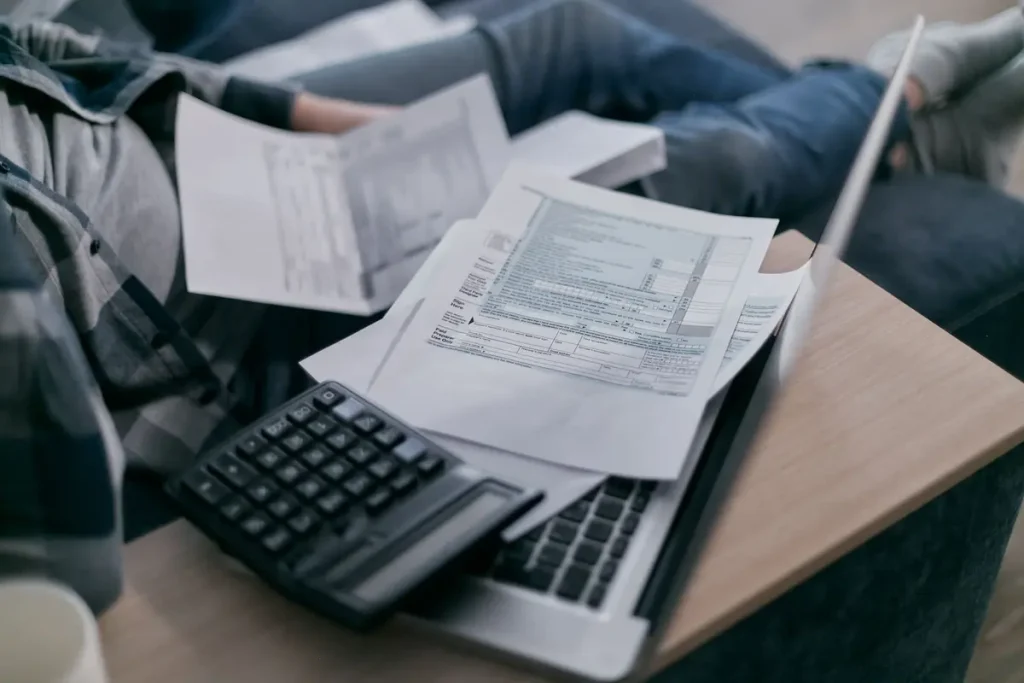
Learning how to read your electric bill can help you understand your energy use, check your rates, and spot possible billing problems. Start with four numbers: the billing period, electricity use in kilowatt-hours, the rate you paid, and the final amount due.
Electric bills look different across the United States. Each utility uses its own format. However, most bills include the same basic details. This guide explains those details in simple terms. It also helps you spot unusual charges and compare monthly bills.
How to Read Your Electric Bill: The Short Answer
To read your electric bill, check these items first:
- Billing period: The dates covered by the bill
- Total electricity use: The number of kilowatt-hours, or kWh, used
- Rate plan: How your electricity price is calculated
- Supply charges: The cost of generating or buying electricity
- Delivery charges: The cost of moving electricity to your home
- Fixed charges, taxes, and fees: Costs that may not change with usage
- Amount due and due date: What you owe and when payment is required
Next, compare your daily electricity use with the same period last year. This gives you a better picture than comparing bills from two very different seasons.
How to Read Your Electric Bill With a Simple Calculation
An electric bill can look complicated because it may include several rates, fees, and adjustments. However, a basic calculation can help you understand where most of the total comes from.
The example below uses sample numbers. Your utility company may calculate its charges differently.
Start With Electricity Use
Suppose a household used 850 kilowatt-hours, or kWh, during one billing period. The electricity rate was $0.16 per kWh.
To estimate the electricity charge, multiply the amount used by the rate:
850 kWh × $0.16 per kWh = $136.00 in electricity charges
Next, add the fixed customer charge and other fees:
$136.00 electricity charge + $14.00 fixed customer charge + $6.00 in taxes and fees = $156.00 estimated bill
Here is the same calculation in a table:
| Charge | Calculation | Amount |
|---|---|---|
| Electricity use | 850 kWh × $0.16 | $136.00 |
| Fixed customer charge | Fixed monthly amount | $14.00 |
| Taxes and other fees | Sample amount | $6.00 |
| Estimated total | $136 + $14 + $6 | $156.00 |
This example shows why multiplying kWh by the advertised rate may not equal the final amount due. Fixed charges, taxes, and other adjustments can raise the total.
What the Main Terms Mean
Kilowatt-hour (kWh)
A kWh measures electricity use. It does not measure the amount of time that the power was on by itself. For example, a 1,000-watt appliance running for one hour uses about 1 kWh.
Rate per kWh
This is the price charged for each kWh of electricity. Depending on the utility and rate plan, you may have one rate or several different rates.
Fixed customer charge
This is a set charge that may appear every billing period. You may still pay it even during a month when you use very little electricity.
Taxes, fees, and adjustments
These can include local taxes, franchise fees, fuel adjustments, renewable-energy charges, or other utility-approved costs. The names vary by location.
Why Your Calculation May Look Different
Many U.S. electric bills are more complicated than the basic example. Your bill may include:
- Separate electricity supply and delivery charges
- Different rates for different levels of use
- Peak and off-peak prices
- Fuel or power-cost adjustments
- Demand charges
- Credits, rebates, or past-due balances
- State and local taxes
- An estimated rather than actual meter reading
For example, a utility may charge one price for the first block of electricity and another price after the household reaches a certain level. A time-of-use plan may also charge more during peak hours.
Therefore, do not assume that one advertised rate explains the full bill.
Check the Effective Rate
You can estimate the overall price paid for each kWh by dividing the current bill amount by total electricity use:
Total bill ÷ total kWh = approximate effective rate per kWh
Using the sample bill:
$156.00 ÷ 850 kWh = about $0.184 per kWh
That is about 18.4 cents per kWh after including the sample fixed charge, taxes, and fees.
This number is useful for comparing your own bills. However, it is not the same as the utility’s listed energy rate because it includes charges that may not change with electricity use.
For a cleaner comparison, remove past-due balances, deposits, late fees, and one-time credits before calculating the effective rate.
A Quick Bill-Checking Exercise
Use your own bill to complete these steps:
- Find the total electricity use in kWh.
- Locate the billing-period start and end dates.
- Find each charge based on electricity use.
- Identify fixed monthly charges.
- Review taxes, adjustments, credits, and other fees.
- Add the individual charges.
- Compare your result with the amount currently due.
If the numbers still do not make sense, contact the utility company. Ask the representative to explain each line item instead of discussing only the final amount.
Key Terms You Need to Read Your Electric Bill
| Term | What it means | Why it matters |
|---|---|---|
| Billing period | The start and end dates covered by the bill | A longer billing cycle can make the total look higher |
| kWh | The amount of electricity you used | Most usage-based charges depend on this number |
| Meter reading | The number recorded by your electric meter | It may be actual, estimated, or customer-reported |
| Supply charge | The cost of the electricity itself | It may come from your utility or another supplier |
| Delivery charge | The cost of carrying electricity through the grid | It usually remains on the bill even with another supplier |
| Customer charge | A fixed monthly account charge | You may pay it even when electricity use is low |
| Rate plan | The rules used to price your electricity | Prices may be flat, tiered, or based on time of use |
| Credits and adjustments | Rebates, corrections, or prior-balance changes | They can raise or lower the current total |
1. Confirm the Account and Service Details
Begin at the top of the bill. Confirm that the name, service address, and account information are correct. Also check the meter number if it appears on the statement.
This step is especially important after a move, an account change, or a meter replacement. A simple account error can make the rest of the bill confusing.
What to check
- Service address
- Account number
- Meter number, if listed
- Previous balance
- Payments received
- Current amount due
- Payment due date
Keep account numbers private. If you share a bill with a contractor or post a picture online, cover the account number, meter number, barcode, and payment information first.
2. Check the Billing Period
The billing period tells you how many days are included in the statement. Many bills cover about a month, but the exact number of days can vary.
A 35-day bill will usually be higher than a 28-day bill, even if your daily habits did not change. Therefore, do not compare only the dollar totals.
Use this simple calculation instead:
Average daily use = Total kWh ÷ Number of billing days
For example, a home that uses 900 kWh over 30 days averages 30 kWh per day. If the next bill shows 930 kWh over 31 days, the daily average is still 30 kWh. The total increased, but daily use did not.
3. Find the Meter Readings
Your bill may show a previous meter reading and a current meter reading. The difference between them helps determine how much electricity you used.
Digital meters can report data in several ways. Some utilities use separate readings for peak and off-peak hours. Others may use a multiplier. Therefore, use the total kWh shown on your bill unless your utility explains another method.
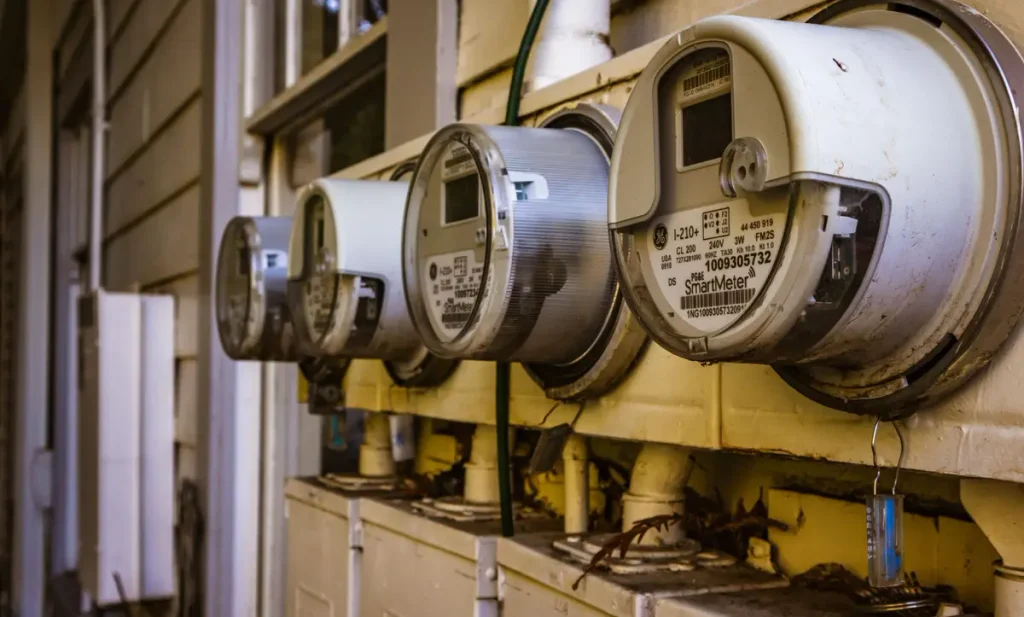
Look for a reading label
- Actual: The utility received a meter reading
- Estimated: The utility estimated use because it could not obtain a reading
- Customer reading: You supplied the meter information
An estimated bill is not always a mistake. Still, a later actual reading may lead to an adjustment. If several bills in a row are estimated, contact the utility and ask when an actual reading will be taken.
4. Understand Kilowatt-Hours
A kilowatt-hour measures electricity use over time. One kWh equals the energy used by a 1,000-watt device running for one hour.
For example:
- A 100-watt device running for 10 hours uses about 1 kWh.
- A 1,500-watt space heater running for two hours uses about 3 kWh.
- A 10-watt LED bulb running for 100 hours uses about 1 kWh.
The wattage on an appliance tells you how quickly it uses power. The kWh number tells you how much energy it used over time.
Your total kWh is one of the most useful numbers on the bill. Track it from month to month. It can show whether your household used more energy even when rates and fees changed.
When you learn how to read your electric bill, total kWh is one of the most useful numbers to track.
5. Find Your Electricity Rate
Your bill may show a price per kWh. However, that number may not include every charge. Some bills list separate rates for supply, delivery, fuel adjustments, or different usage tiers.
As a result, multiplying one displayed rate by total kWh may not equal the final amount due.
To estimate the overall price you paid for electricity, use:
Effective price per kWh = Total electric charges ÷ Total kWh
This calculation can help with broad comparisons. Still, fixed fees can make the effective price look higher in a low-usage month. Compare it together with your total kWh and the line-item charges.
Electricity prices vary by location and season. Fuel and power plant costs can also affect the price. Grid costs may raise rates as well. The U.S. Energy Information Administration explains these factors in more detail.
6. Separate Supply and Delivery Charges
Understanding supply and delivery charges is an important part of learning how to read your electric bill. Many electric bills divide charges into two main groups.
Supply charges
Supply charges pay for the electricity that was generated or purchased for you. In states with retail electricity choice, the supplier may be a different company from the local utility.
Delivery charges
Delivery charges pay for the poles, wires, substations, meters, maintenance, and other systems that bring electricity to your home. Your local utility usually handles delivery.
Changing suppliers does not normally remove delivery charges. Before signing a supply contract, review the full rate, contract length, renewal terms, monthly fees, and early-termination fee. An introductory rate may not remain low.
7. Review Fixed Charges, Taxes, and Adjustments
Your final bill can include more than electricity use. Read each line before assuming that a higher total means you consumed more power.
Common items include:
- Monthly customer or service charge
- State and local taxes
- Fuel or power-cost adjustment
- Renewable-energy or efficiency program charge
- Storm-recovery or infrastructure charge
- Late fee
- Deposit
- Budget-billing adjustment
- Previous balance
- Rebate or account credit
Some charges are fixed. Others change with usage. If a fee is unclear, use the explanation printed on the bill or contact the utility for a plain-language description.
8. Identify Your Rate Plan
Your rate plan determines when and how electricity use becomes a charge. The plan name may appear near your service details or rate information.
Common residential rate plans
- Flat rate: The price per kWh stays generally consistent during the billing period.
- Tiered rate: The price changes after usage passes certain levels.
- Time-of-use rate: The price changes based on the time of day, day of the week, or season.
- Variable supply rate: The supplier’s rate can change under the contract terms.
- Demand-based rate: Part of your bill depends on your highest power use. The utility measures this use during a short period. This plan is less common for homes, but some utilities offer it.
If you have time-of-use pricing, find the peak and off-peak hours. Running flexible appliances during cheaper hours may reduce costs. However, do not change your routine until you confirm the exact schedule and rates on your utility’s website.
9. Check Whether the Reading Was Estimated
An estimated reading can explain a bill that seems unusually low or high. The utility may estimate use when it cannot access the meter or when meter data is temporarily unavailable.
Later, the utility may compare the estimate with an actual reading. The difference can appear as an adjustment on a future bill.
What you can do
- Look for the words actual or estimated near the meter reading.
- Compare the billed reading with your meter if your utility explains how.
- Take a dated photo of the meter for your records.
- Ask the utility whether you can submit a reading.
- Request an explanation if repeated estimates cause a large adjustment.
Do not open, remove, or tamper with an electric meter. Contact the utility if the meter appears damaged or unsafe.
10. Compare Usage the Right Way
Weather can cause large changes in electricity use. Air conditioning often raises summer use. Electric heat can raise winter use. Guests, vacations, and new appliances can also affect the total. The same is true for EV charging and longer billing periods.
For a useful comparison, review:
- Total kWh
- Average kWh per day
- Number of billing days
- Average temperature, if shown
- Same month from the previous year
- Rate and fee changes
- Actual versus estimated readings
Do not judge progress only by the amount due. You may use fewer kWh and still pay more if rates increased. Likewise, a lower bill does not always mean lower use if credits or shorter billing periods reduced the total.
Knowing how to read your electric bill also helps you separate higher energy use from higher electricity rates.
11. How to Read Your Electric Bill for Possible Errors
A high bill is not automatically incorrect. First, check weather, billing days, kWh use, rate changes, and estimated readings.
Contact the utility when:
- The service address or meter number is wrong.
- The bill covers an unexpected number of days.
- An estimated reading differs greatly from the meter.
- A rate or fee does not match your plan.
- A payment or credit is missing.
- Usage jumps sharply without an obvious reason.
- You suspect a meter, wiring, or equipment problem.
Before calling, gather the current bill, one or two older bills, your meter reading if safe to obtain, and a list of recent household changes. Ask the representative to explain the bill line by line.
If you are trying to understand a sudden increase, read Why Is My Electric Bill So High? 12 Common Causes and How to Fix Them.
12. Use the Bill to Make a Savings Plan
Once you understand the statement, use it as a monthly energy report.
Start with these steps:
- Write down total kWh and average daily use.
- Note the rate plan and any peak hours.
- Compare the same month from the previous year.
- Choose one change to test for the next billing cycle.
- Review the next bill to see whether daily use fell.
For low-cost ideas, see How to Lower Your Electric Bill: 10 Easy Ways to Save. If heating and cooling are major costs, also read Best Thermostat Settings for Summer and Winter to Save Energy.
Example Electric Bill Breakdown
The following example is only for illustration. Actual rates and charges vary widely.
| Example charge | Calculation | Amount |
| Electricity supply | 850 kWh × $0.095 | $80.75 |
| Delivery | 850 kWh × $0.065 | $55.25 |
| Fixed customer charge | Monthly charge | $12.00 |
| Taxes and other fees | Combined | $8.00 |
| Example total | $156.00 |
In this example, dividing $156 by 850 kWh gives an effective price of about 18.4 cents per kWh. That figure includes the fixed charge and fees, so it is higher than either the supply or delivery rate alone.
Quick Summary
| Check this | Ask this question | Take this action |
| Billing period | How many days are included? | Compare average daily use |
| Total kWh | Did electricity use rise? | Compare with the same season last year |
| Meter reading | Is it actual or estimated? | Contact the utility about repeated estimates |
| Rate plan | Is pricing flat, tiered, or time-based? | Confirm rate rules and peak hours |
| Supply | Who provides the electricity? | Review the contract before switching suppliers |
| Delivery | What does the local utility charge? | Compare the current rate with an older bill |
| Fees and credits | Did a fixed fee or adjustment change? | Ask for an explanation of unclear items |
| Amount due | Does it include a prior balance? | Confirm payments and due date |
Frequently Asked Questions
What is the difference between kW and kWh?
A kilowatt, or kW, measures the rate at which electricity is being used. A kilowatt-hour, or kWh, measures the amount used over time. Residential energy charges are commonly based on kWh.
Why did my bill increase when my kWh stayed about the same?
Rates, fixed charges, taxes, fuel adjustments, or the length of the billing period may have changed. A previous balance or expired credit can also raise the amount due.
Why are supply and delivery listed separately?
Supply pays for the electricity itself. Delivery pays for the grid that brings it to your home. In some states, customers can choose a supplier, but the local utility still provides delivery.
Is an estimated bill a problem?
Not always. A utility may estimate use when it cannot receive a meter reading. However, a future actual reading may cause an adjustment. Contact the utility if estimates continue or create a large balance.
Can I compare my bill with a neighbor’s bill?
Only in a limited way. Home size, insulation, equipment, rate plans, family routines, and fuel types can differ. Comparing your own daily kWh with the same season last year is usually more useful.
Can an electric meter be wrong?
Meter problems can occur, but weather, equipment use, longer billing periods, or rate changes are often more likely causes of a high bill. If the numbers still seem wrong after reviewing the statement, ask the utility about its meter-testing and billing-dispute process.
Helpful Resources
- Electricity Prices and Factors Affecting Prices — U.S. Energy Information Administration
- Electric Sales, Revenue, and Average Price — U.S. Energy Information Administration
- Energy Saver — U.S. Department of Energy
- Your electric utility’s website for current rates, bill definitions, payment options, and assistance programs
Final Thoughts
Once you know how to read your electric bill, you can track household energy use and question unexpected charges with more confidence.
Learning how to read your electric bill gives you more control over your household budget. Begin with the billing days, total kWh, rate plan, supply and delivery charges, and any fixed fees or adjustments.
Then compare average daily use with the same season last year. If something still looks wrong, contact the utility and ask for a line-by-line explanation. A clear bill will not lower costs by itself, but it can show you where to take action.