If you are asking, “Why is my electric bill so high?”, start with your latest bill. Check your total electricity use, billing days, and rate. These three numbers often explain the increase.
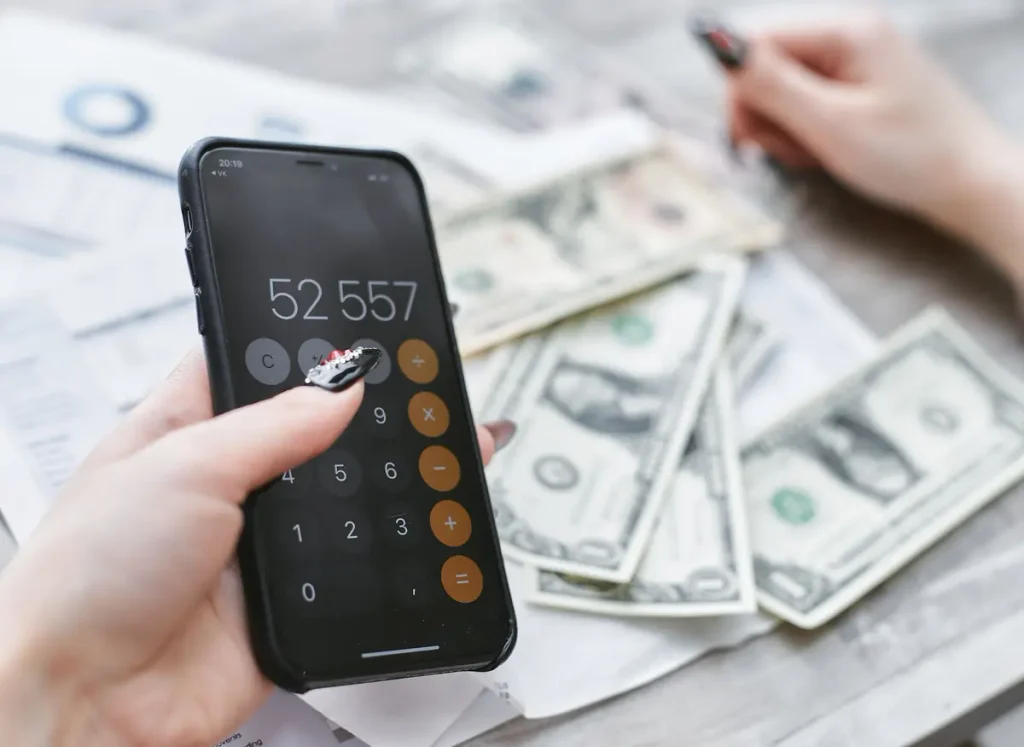
Start by comparing your electricity use, billing period, and rate with a previous bill.
A high bill does not always mean that you wasted energy. For example, hot or cold weather can raise HVAC use. Your utility may have raised its rates. In addition, a longer billing period can increase the total. New appliances and changes in your daily routine may matter too.
This guide covers 12 common causes. It also shows you what to check and what to do next.
Why Is My Electric Bill So High? The Short Answer
Your electric bill may be high because you used more power or paid more for each kilowatt-hour. In some cases, both happened.
Check these items first:
- Total electricity use in kilowatt-hours, or kWh
- Number of days in the billing period
- Current price per kWh
- Supply and delivery charges
- Fixed fees, taxes, and other charges
- Actual or estimated meter reading
- Use during the same month last year
If your kWh went up, look at your home and daily habits. However, if your kWh stayed about the same, check rates and fees.
Why Is My Electric Bill So High? Compare Two Bills First
Before blaming an appliance or changing your daily routine, compare your current electric bill with an earlier one. A higher total does not always mean that your household used more electricity each day.
A longer billing period, a higher electricity rate, or new fees can raise the amount due. Therefore, check the numbers behind the total before deciding what caused the increase.
Use This Two-Bill Comparison
Place your previous bill and current bill side by side. Then record the following information.
| Item | Previous Bill | Current Bill |
|---|---|---|
| Billing days | 30 | 34 |
| Electricity use | 900 kWh | 980 kWh |
| Average daily use | 30 kWh | 28.8 kWh |
| Rate per kWh | $0.15 | $0.17 |
| Estimated usage charge | $135.00 | $166.60 |
The figures above are sample values. Actual bills may also include fixed charges, taxes, adjustments, and other fees.
At first, the current bill looks worse. Total electricity use rose from 900 kWh to 980 kWh. In addition, the estimated usage charge increased by $31.60.
However, the current bill covers four more days. The household actually used slightly less electricity per day:
- Previous bill: 900 kWh ÷ 30 days = 30 kWh per day
- Current bill: 980 kWh ÷ 34 days = 28.8 kWh per day
In other words, the household’s daily electricity use fell by about 4%. The larger bill came mainly from the longer billing period and higher rate—not from heavier daily use.
Calculate Your Average Daily Use
Use this formula for each bill:
Total kWh ÷ billing days = average daily electricity use
Next, compare the two daily averages:
(Current daily use − previous daily use) ÷ previous daily use × 100 = percentage change
Using the sample bills:
(28.8 − 30) ÷ 30 × 100 = −4%
The negative result means average daily electricity use decreased by about 4%.
Check the Price You Paid
Electricity use is only one part of the bill. To estimate the usage charge, use this formula:
Electricity use in kWh × rate per kWh = estimated usage charge
Sample calculation:
- Previous bill: 900 kWh × $0.15 = $135.00
- Current bill: 980 kWh × $0.17 = $166.60
The rate increased by $0.02 per kWh. As a result, the bill rose even though average daily use went down.
Your calculation may not match the final bill exactly. Some utilities use tiered rates, time-of-use pricing, fuel adjustments, fixed customer charges, taxes, or other fees.
What the Comparison Can Tell You
Use the results to narrow down the likely cause:
- Daily kWh increased: Look for changes in weather, HVAC use, appliances, occupancy, or daily habits.
- Daily kWh stayed similar: Check for a longer billing period, a rate increase, or new fees.
- Daily kWh decreased but the bill increased: The rate, billing period, or added charges may be responsible.
- Usage changed without a clear reason: Review daily usage data or contact your utility company.
- The meter reading looks unusual: Ask whether the bill is based on an actual or estimated reading.
Also compare the current bill with the same month from the previous year. This can be more useful than comparing a mild month with a very hot or cold one.
A Simple Two-Bill Checklist
Before looking for energy-wasting equipment, confirm these details:
- Both bills show the number of billing days.
- You compared total kWh, not only the dollar amount.
- You calculated average daily kWh for both bills.
- You checked whether the rate per kWh changed.
- You reviewed fixed charges, taxes, and adjustments.
- You checked whether either bill used an estimated meter reading.
- You considered major weather or household changes.
- You compared the same month from the previous year, if available.
This comparison can prevent you from replacing an appliance that is working properly. It also helps you decide whether the increase came from electricity use, electricity prices, or the way the bill was calculated.
1. Extreme Weather Raised Your HVAC Use
Heating and cooling use a lot of energy in many U.S. homes. During a heat wave, your air conditioner may run for hours. During a cold spell, electric heat can do the same.
Humidity also affects cooling. In fact, an air conditioner removes heat and moisture from the air. As a result, humid weather can make the system work longer.
What you can do
- Compare the weather with the same time last year.
- Check daily energy use in your utility account.
- Use the highest comfortable setting in summer.
- Use the lowest comfortable setting in winter.
- Adjust the setting when everyone is away.
- Use curtains, blinds, and ceiling fans for comfort.
- Turn fans off when you leave the room.
Comfort and safety come first. Infants, older adults, pets, and people with health problems may need a smaller temperature range.
2. Your Electricity Rate Went Up
However, your bill can rise even when you use the same amount of power. Your utility may change supply, delivery, fuel, or grid charges. A variable-rate plan can also change over time.
What you can do
- Compare the rate section with an older bill.
- Review supply and delivery charges separately.
- Look for new fees or rate changes.
- Check the name of your rate plan.
- Ask your utility to explain any unclear charge.
- Compare suppliers with care if your state allows a choice.
Therefore, do not choose a plan based only on a low starting price. Instead, check the full rate, monthly fees, contract length, and cancellation fee.
3. Your Billing Period Was Longer
For example, a bill for 34 days will usually cost more than a bill for 28 days. Still, this can happen even when your daily use stays the same.
Use this simple formula:
Average daily use = Total kWh ÷ Billing days
For example, 900 kWh over 30 days equals 30 kWh per day. A total of 990 kWh over 33 days also equals 30 kWh per day. The second bill is higher, but daily use did not change.
What you can do
- Find the start and end dates on both bills.
- Count the billing days.
- Compare average daily kWh.
- Check whether the reading was actual or estimated.
- Ask about a billing period that looks unusual.
4. Your Thermostat Schedule Changed
A small thermostat change can make your HVAC system run more often. For instance, guests, remote work, school breaks, and schedule changes may affect the setting. Someone may also have changed a saved program.
The thermostat location matters too. A lamp, TV, sunny window, or outside door can affect its reading.
What you can do
- Review the heating and cooling schedule.
- Check for temporary or manual settings.
- Change the setting when the home is empty.
- Keep lamps and TVs away from the thermostat.
- Close doors and windows while the system runs.
- Review smart thermostat reports, if available.
For more help, read Best Thermostat Settings for Summer and Winter to Save Energy.
5. Your HVAC System Needs Care
As a result, a dirty filter can block airflow. As a result, your heating or cooling system may work harder. Blocked vents, dirty outdoor units, damaged ducts, and worn parts can also hurt performance.
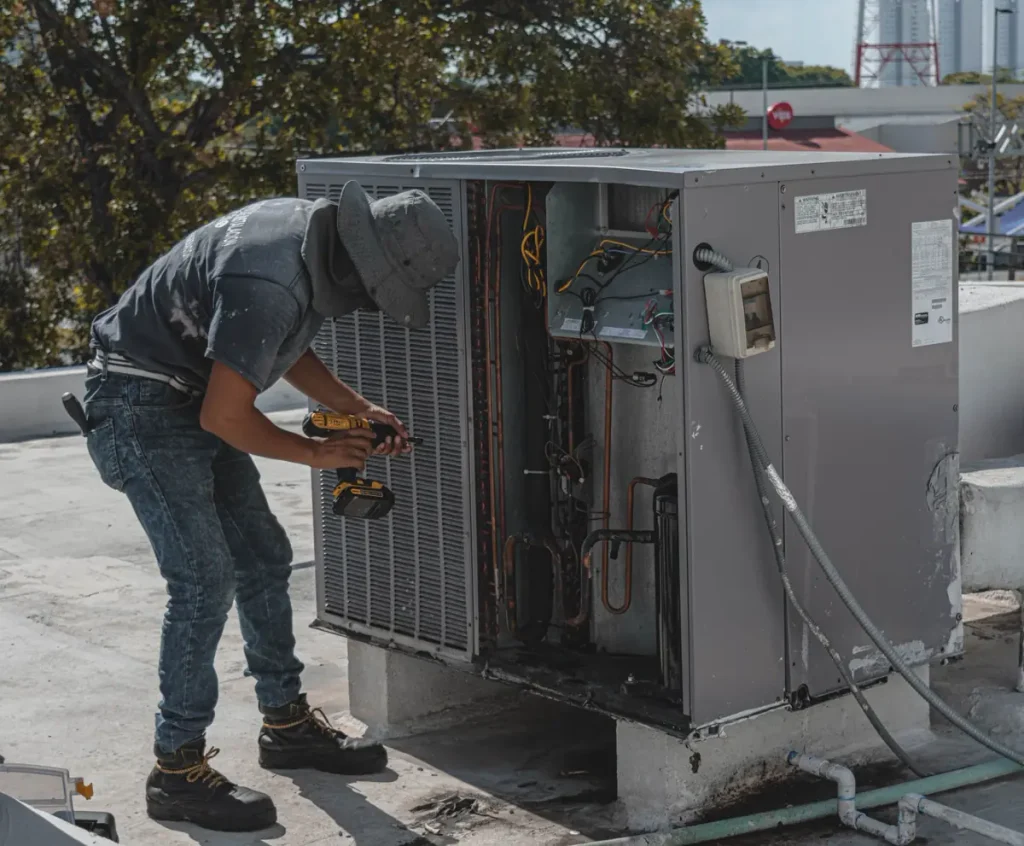
An HVAC system that runs constantly or performs unevenly may need professional service.
What you can do
- Check the filter each month during heavy use.
- Replace or clean a dirty filter.
- Keep vents and return grilles clear.
- Remove leaves and dirt near the outdoor unit.
- Look for visible duct damage.
- Call for service if the system runs all the time.
- Get help if some rooms stay too hot or too cold.
A trained technician should handle refrigerant, wiring, and major repairs.
6. An Old Appliance Uses Too Much Power
An old appliance is not always wasteful. However, worn parts can make it run longer. For example, this often affects refrigerators, freezers, water heaters, and clothes dryers.
Also, a second refrigerator in a garage is easy to forget. Hot or cold garage temperatures can make it work harder.
What you can do
- Check the age of large appliances.
- Inspect refrigerator and freezer door seals.
- Clean coils if the maker’s directions allow it.
- Leave enough space for airflow.
- Unplug an extra refrigerator that you do not need.
- Compare repair costs with the price of a new model.
Do not replace a working appliance only because it is old. First, compare the cost with the likely savings.
7. You Added a New Device
New devices can raise energy use. For example, an electric vehicle, space heater, or dehumidifier may add to the bill. Other examples include a portable AC, hot tub, aquarium, and gaming computer.
The device does not need to use a lot of power at once. Even a smaller device can add to the bill when it runs all day.
What you can do
- List devices added during the billing period.
- Check each device’s wattage.
- Estimate how many hours it runs.
- Review electric vehicle charging history.
- Use a plug-in power meter when it is safe.
- Turn on sleep mode for computers and monitors.
Follow the maker’s safety rules for heaters and air conditioners. Do not use an extension cord unless the directions allow it.
8. Standby Power Is Adding Up
Many electronics still use power when they appear to be off. This is called standby power or phantom load. TVs, game systems, printers, speakers, and cable boxes may draw power all day.
Although one device may have little effect, many devices together can waste more energy.
What you can do
- Unplug chargers after use.
- Use a switchable power strip for related devices.
- Turn the strip off when the devices are not needed.
- Use smart plugs for selected items.
- Shut down computers overnight.
- Unplug small appliances that you rarely use.
Keep refrigerators, medical devices, alarms, and internet equipment connected when they need constant power.
9. Your Water Heater Uses More Energy
An electric water heater can use a large amount of power. For example, longer showers and more laundry can raise the bill. A hot-water leak can also waste energy. In winter, colder inlet water may take more energy to heat.
What you can do
- Fix dripping hot-water faucets.
- Take slightly shorter showers.
- Install an efficient showerhead.
- Wash everyday clothes in cold water.
- Run full dishwasher and laundry loads.
- Ask a professional to check unusual hot-water use.
Follow the maker’s directions before changing water heater settings. A wrong setting can cause burns or other safety risks.
10. Air Leaks Waste Heating and Cooling
Small gaps let indoor air escape. At the same time, they allow outdoor air to enter. Common leak areas include windows, outside doors, attic openings, pipes, and vents.
In addition, poor insulation can move heat through the attic, walls, and floors. Therefore, your HVAC system has to run longer.
What you can do
- Check windows and doors for drafts.
- Add weatherstripping to moving parts.
- Use the right caulk on fixed gaps.
- Install door sweeps.
- Check the attic opening for gaps.
- Ask your utility about a home energy check.
Some major leaks may be hidden. A home energy check can help find them.
11. Your Daily Routine Changed
Small changes can add up. For example, working from home may increase lighting, computer, and HVAC use. Guests can mean more showers and laundry. In addition, cooking more often can raise power use.
Holiday lights, pool pumps, workshops, and school breaks may affect the bill too.
What you can do
- Think about changes during the billing period.
- Compare weekday and weekend use.
- Run full laundry and dishwasher loads.
- Use energy-saving settings.
- Turn off lights in empty rooms.
- Create simple energy rules for the household.
Start with heating, cooling, water heating, and large appliances. These areas often matter more than one phone charger.
12. A Meter or Equipment Problem May Exist
Meter errors can happen, but they are not common. Instead, a broken appliance may be the cause. For example, a well pump, heating element, or pool pump may run when it should not.
Watch for safety signs. These include burning smells, hot outlets, sparks, strange sounds, and breakers that trip often.
What you can do
- Compare the meter reading with the bill.
- Make sure the meter number matches your account.
- Check whether the reading was estimated.
- Contact the utility about an impossible reading.
- Ask about a meter test or bill review.
- Call an electrician if you suspect a wiring problem.
- Service equipment that runs without stopping.
Do not open the meter or electrical panel. Do not attempt electrical work beyond your training.
High Electric Bill Summary Table
| Possible cause | What to check | First step |
|---|---|---|
| Extreme weather | HVAC runtime | Adjust settings safely |
| Higher rate | Price per kWh and fees | Compare two bills |
| Longer billing period | Number of days | Calculate daily kWh |
| Thermostat change | Schedule and overrides | Restore the schedule |
| HVAC problem | Filter, vents, and runtime | Replace a dirty filter |
| Old appliance | Age and condition | Inspect the appliance |
| New device | Recent additions | Estimate its energy use |
| Standby power | Always-on electronics | Use power strips |
| More hot water | Showers, laundry, and leaks | Fix leaks and reduce waste |
| Air leaks | Drafts and gaps | Add seals or get an assessment |
| Routine changes | Occupancy and habits | Review recent changes |
| Equipment or meter issue | Readings and warning signs | Call the utility or a professional |
How to Fix a High Electric Bill
Use this order before you spend money:
- Compare total kWh with the same month last year.
- Check the number of billing days.
- Compare rates and fixed fees.
- Check whether the meter reading was actual or estimated.
- Review daily or hourly use in your utility account.
- Note weather, occupancy, or appliance changes.
- Check the HVAC filter and large appliances.
- Contact the utility if the bill still looks wrong.
If you want simple savings ideas, read How to Lower Your Electric Bill: 10 Easy Ways to Save.
When to Contact Your Utility
Contact your utility if:
- The meter reading does not match the bill.
- An estimated reading looks wrong.
- You do not understand a rate or fee.
- Your use rises sharply for no clear reason.
- You suspect a meter or account error.
- You need help with payments or rebates.
Keep copies of your bills. Write down the date and details of each call.
Frequently Asked Questions
Why did my electric bill suddenly double?
Extreme weather may be the cause. Electric heat, a longer billing period, a rate increase, or new equipment can also double a bill. Compare kWh, billing days, rates, and weather first.
Can an old refrigerator raise my electric bill?
Yes. A worn refrigerator may run longer than needed. Dirty coils, bad door seals, poor airflow, or broken parts may be the cause. Check its condition before deciding to repair or replace it.
How can I find the appliance using too much power?
Start with the daily or hourly data from your utility. You can also use a plug-in power meter for many small devices. Large or hardwired equipment may need a trained professional.
Should I compare my bill with last month?
You can, but the same month last year is often more useful. Weather can make two nearby months very different. Compare total kWh and average daily use.
Helpful Resources
- Energy Saver — U.S. Department of Energy
- ENERGY STAR: Energy Savings at Home
- Factors Affecting Electricity Prices — U.S. Energy Information Administration
- Your electric utility’s website for current rates, use data, rebates, and help programs
Final Thoughts
If you are still asking, “Why is my electric bill so high?”, begin with the bill itself. First, compare kWh, billing days, rates, and the same month last year.
Next, check your HVAC system, water heater, large appliances, air leaks, and recent routine changes. However, do not buy new equipment until you have found the likely cause.
Fortunately, sometimes the fix is simple. You may only need a clean filter or a better thermostat schedule. In other cases, you may need help from the utility or a trained professional.
This article gives general information. Rates, equipment, and savings vary by home and location. Follow product directions and local rules. Hire a qualified professional for electrical, HVAC, and water heater work.