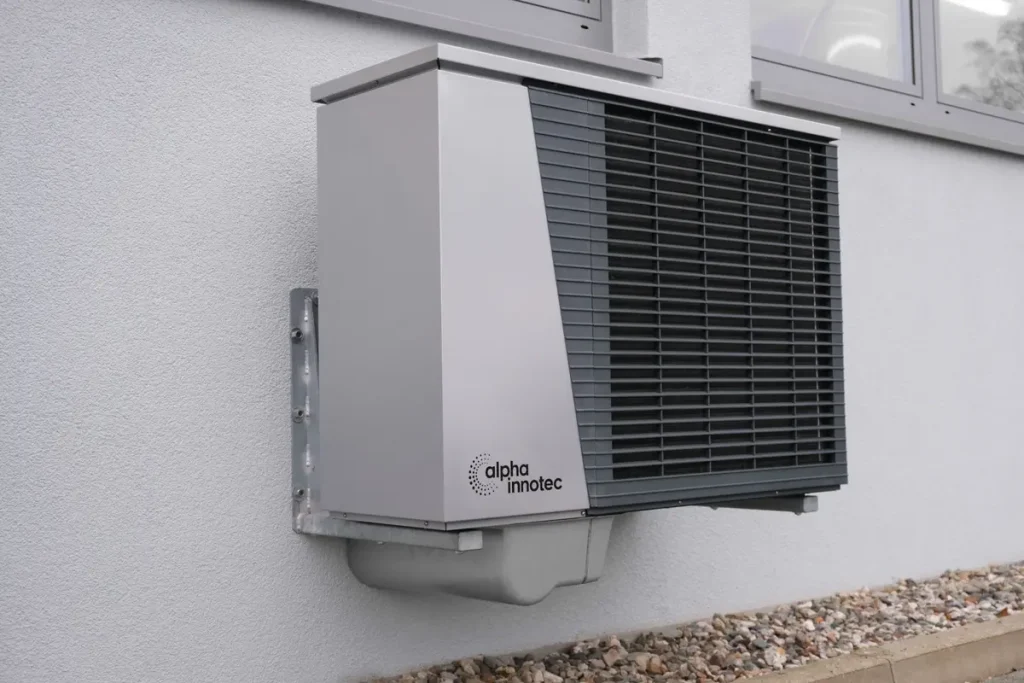
How much electricity does an air conditioner use? Most home air conditioners use about 500 to 5,000 watts while actively cooling.
So, how much electricity does an air conditioner use?
Most home air conditioners use about 500 to 5,000 watts while actively cooling. The exact amount depends on the type of AC, its size, efficiency, and daily run time. Weather, insulation, air leaks, and your thermostat setting also affect energy use.
The good news is that you can estimate your AC cost with a simple calculation. This guide will show you how.
Quick Answer: How Much Electricity Does an Air Conditioner Use?
The table below shows general estimates for common home air conditioners.
| Type of air conditioner | Typical power while cooling | Estimated cost per cooling hour* |
|---|---|---|
| Small window AC | 500–900 watts | $0.09–$0.17 |
| Large window AC | 900–1,500 watts | $0.17–$0.28 |
| Portable AC | 900–1,800 watts | $0.17–$0.33 |
| Ductless mini-split | 500–2,000 watts per zone | $0.09–$0.37 |
| Central air conditioner | 2,000–5,000 watts | $0.37–$0.92 |
*These examples use an electricity rate of 18.34 cents per kilowatt-hour. This was the U.S. residential average reported by the Energy Information Administration for June 2026. Your local rate may be higher or lower.
However, these numbers are only estimates. Check your AC label and electric bill for a more accurate result.
How Much Electricity Does an Air Conditioner Use Per Hour?
Two basic terms will help you understand AC energy use.
Watts
Watts show how much power an appliance is using at a given time.
For example, a window AC may use 900 watts while its compressor is cooling the room.
Kilowatt-Hours
Electric companies charge for electricity in kilowatt-hours, or kWh.
One kilowatt-hour equals 1,000 watts used for one hour.
1,000 watts × 1 hour = 1 kWh
If your electricity rate is 18.34 cents per kWh, using 1 kWh costs about 18 cents.
How to Calculate How Much Electricity an Air Conditioner Uses
Use this formula to estimate energy use:
Watts × cooling hours ÷ 1,000 = kWh
Next, calculate the cost:
kWh × electricity rate = estimated cost
Write the electricity rate in dollars. For example, 18.34 cents becomes $0.1834.
Window AC Example
Suppose a window air conditioner uses 900 watts and actively cools for six hours per day.
900 × 6 ÷ 1,000 = 5.4 kWh per day
At a rate of $0.1834 per kWh:
5.4 × $0.1834 = about $0.99 per day
Over 30 days, the estimated cost would be about $29.70.
Central AC Example
Suppose a central system uses 3,500 watts while cooling. It actively runs for six hours per day.
3,500 × 6 ÷ 1,000 = 21 kWh per day
At $0.1834 per kWh, that equals about $3.85 per day or $115.50 over 30 days.
However, your actual cost may be different. The compressor does not always run at full power for the entire time the system is turned on.
Simple AC Running Cost Worksheet
Find these three numbers:
| Information needed | Your number |
|---|---|
| AC power | ______ watts |
| Active cooling time | ______ hours per day |
| Electricity rate | $______ per kWh |
Then calculate:
Watts ÷ 1,000 × cooling hours × electricity rate = daily cost
Multiply the daily result by the number of days used to estimate the monthly cost.
For example, consider a 1,200-watt AC that cools for five hours per day. If electricity costs $0.20 per kWh:
1,200 ÷ 1,000 × 5 × $0.20 = $1.20 per day
For 30 days, the estimated cost would be $36.
This estimate covers only the air conditioner. It does not include other appliances or fixed utility fees.
Where to Find Your AC Power Information
Look for a label on the side, back, or inside panel of the unit. It may list:
- Input power in watts
- Voltage and amperage
- Cooling capacity in BTUs
- CEER, EER, SEER, or SEER2 rating
- Model number
- Estimated annual energy use
A room air conditioner may also have a yellow EnergyGuide label. This label shows estimated yearly energy use and cost.
For example, EnergyGuide estimates help you compare models. However, your actual cost will depend on local rates, weather, and how you use the unit.
If you are not sure where to find your electricity rate, see How to Read Your Electric Bill: A Simple Guide for U.S. Households.
If you cannot find the wattage, search for the model number on the manufacturer’s website.
Can You Multiply Volts by Amps?
You may see this formula:
Volts × amps = watts
This may provide a rough maximum estimate. However, it may not show normal energy use. AC compressors and fans do not always use the same amount of power.
Also, the outdoor label on a central AC may not include the indoor blower.
Do not attach a standard plug-in power monitor to a central AC or another hardwired 240-volt appliance. A qualified professional should measure hardwired HVAC equipment.
How Much Electricity Does a Window AC Use?
A window air conditioner commonly uses 500 to 1,500 watts while cooling.
A small bedroom unit usually uses less power than a unit made for a large living area. However, age and efficiency also matter.
A newer unit may use less electricity than an older model with the same cooling capacity.
Choose a unit that matches the room size. ENERGY STAR warns that an oversized room AC can waste energy. It may also cool the room too quickly to remove enough humidity.
As a result, a window AC can be economical if you only need to cool one occupied room. In that case, you may use less electricity than you would by cooling the whole house.
How Much Electricity Does a Portable AC Use?
A portable air conditioner often uses 900 to 1,800 watts while cooling.
Portable models are convenient, but they are not always the most efficient choice. Hot air can enter through gaps around the window panel. Some units may also pull cooled indoor air out of the room.
To reduce waste:
- Seal gaps around the window panel.
- Keep the exhaust hose as short as allowed.
- Clean the filter regularly.
- Close the door to the room being cooled.
- Keep the unit away from direct sunlight.
Do not change or extend the exhaust hose unless the manufacturer allows it.
How Much Electricity Does Central Air Use?
A central air conditioner may use about 2,000 to 5,000 watts while actively cooling. Larger homes and systems may use more.
In addition, several factors affect central AC energy use:
- Home size
- Local weather
- Insulation
- Air leaks
- Duct condition
- Thermostat setting
- Equipment size
- Filter condition
- SEER2 rating
- Installation quality
SEER2 measures seasonal cooling efficiency. In general, a higher rating means better efficiency. Still, proper sizing and installation are just as important.
ENERGY STAR reports that poor installation can reduce HVAC efficiency by as much as 30 percent. An efficient unit may still waste energy if it is too large, too small, or poorly installed.
How Much Electricity Does a Mini-Split Use?
A ductless mini-split may use about 500 to 2,000 watts per zone while cooling.
Many mini-splits have variable-speed compressors. These systems can slow down after the room reaches the set temperature. They do not always switch between full power and completely off.
For example, mini-splits often work well when you cool only the rooms you are using.
For better results:
- Use a reasonable setting in each zone.
- Close outside doors and windows.
- Clean the filters as directed.
- Keep the outdoor unit clear.
- Choose the correct system size.
Do not set one zone extremely cold to cool nearby rooms. This may make the unit run longer without moving air where it is needed.
Why AC Electricity Use Changes During the Day
An air conditioner does not always use its full rated wattage.
A basic compressor turns on when the home becomes too warm. It turns off after the thermostat reaches the chosen temperature.
A variable-speed compressor may slow down instead of turning off.
Therefore, eight hours with the AC turned on does not always mean eight hours at full power.
Your AC may run longer when:
- The weather is very hot.
- The thermostat is set very low.
- Direct sunlight heats the home.
- Windows and doors leak air.
- Insulation is poor.
- The filter is dirty.
- Ducts leak cooled air.
- The system needs maintenance.
This is why a wattage calculation is only an estimate.
Seven Ways to Reduce Air Conditioner Electricity Use
Fortunately, small changes can lower cooling costs without making your home uncomfortable.
1. Adjust the Temperature When You Leave
You usually do not need to cool an empty home to the same temperature you prefer while you are there.
A programmable or smart thermostat can make this change for you. Read Do Smart Thermostats Really Save Money? to see whether one may help in your home.
2. Use Ceiling Fans
A ceiling fan helps people feel cooler. However, it does not lower the room temperature.
Turn it off when everyone leaves the room. When you are present, the fan may help you stay comfortable at a slightly higher AC setting.
3. Check the Filter
A dirty filter blocks airflow and makes the system work harder.
Check it monthly during heavy summer use. Replace it when dirty and follow the manufacturer’s directions.
4. Block Strong Sunlight
Close shades, curtains, or blinds on windows that receive direct summer sun.
Reducing indoor heat means the air conditioner has less work to do.
5. Seal Air Leaks
Gaps around windows and doors let hot air enter and cooled air escape.
Use How to Seal Air Leaks Around Windows and Doors to find common leaks and choose the correct sealing material.
6. Inspect the Ducts
Leaky ducts may lose cooled air in attics, garages, basements, or crawlspaces.
ENERGY STAR states that sealing and insulating ducts can improve heating and cooling efficiency by as much as 20 percent, and sometimes more.
Large or hard-to-reach duct problems should be checked by a professional.
7. Get Help When Performance Changes
Contact a qualified HVAC professional if the system:
- Runs almost all the time
- Blows warm or weak air
- Makes unusual noises
- Turns on and off very often
- Develops ice on the coil or refrigerant line
- Causes a sudden increase in electricity use
Do not attempt electrical or refrigerant repairs yourself.
Is It Cheaper to Leave the AC on All Day?
It is usually not cheaper to keep an empty home at the same cool temperature all day.
A moderate temperature adjustment while you are away can reduce energy use. However, turning the AC completely off may not be right for every home.
Pets, high humidity, health needs, and temperature-sensitive belongings may require a safe indoor temperature.
In most cases, a moderate adjustment is better than an extreme change.
Should You Replace an Old Air Conditioner?
Consider having an older AC evaluated if it:
- Is more than 10 years old
- Needs frequent repairs
- Cannot keep the home comfortable
- Runs for very long periods
- Has a low efficiency rating
- Causes unusually high summer bills
Before replacing it, check for a dirty filter, blocked airflow, air leaks, poor insulation, or damaged ducts.
Therefore, the house, rather than the AC itself, may be the main source of wasted energy.
How to Check Whether Your AC Is Causing a High Bill
If your utility provides daily usage data, try this simple test:
- Choose two days with similar weather.
- Record the total electricity used each day.
- Use the AC normally on the first day.
- Reduce AC use safely on the second day.
- Compare the total kWh.
This is not a precise test because other appliances also affect the results. Still, it may show how much your cooling habits change daily electricity use.
For more help, read How to Find Energy-Wasting Appliances in Your Home and Why Is My Electric Bill So High?
Frequently Asked Questions
How Much Electricity Does an Air Conditioner Use Per Day?
It depends on wattage and cooling time. A 1,000-watt AC that actively cools for six hours uses about 6 kWh. A 3,500-watt system running for six hours uses about 21 kWh.
How much does it cost to run an AC for one hour?
At 18.34 cents per kWh, a 1,000-watt AC costs about 18 cents per cooling hour. A 3,500-watt system costs about 64 cents.
Does fan-only mode use less electricity?
Yes. Fan-only mode usually uses much less electricity because the compressor is off. However, the fan does not remove heat from the home.
Does a lower thermostat setting cool a home faster?
Usually not. A very low setting often makes the system run longer instead of cooling the home faster.
Is a window AC cheaper than central air?
It may be cheaper when you cool only one room. However, running several window units at once may cost as much as an efficient central or ductless system.
Final Thoughts
Weather, daily run time, electricity rates, efficiency, air leaks, and maintenance all affect the final cost.
For the best estimate, find your unit’s wattage and your local electricity rate. Then use:
Watts ÷ 1,000 × cooling hours × electricity rate
This simple calculation can help you understand summer bills, compare AC types, and spot a system that may be using too much power.
Sources
Home cooling overview: U.S. Department of Energy: Home Cooling 101
Electricity price data: U.S. Energy Information Administration: Electric Power Monthly
Room AC guidance: ENERGY STAR: Room Air Conditioners
Heating and cooling guidance: ENERGY STAR: Heat and Cool Efficiently